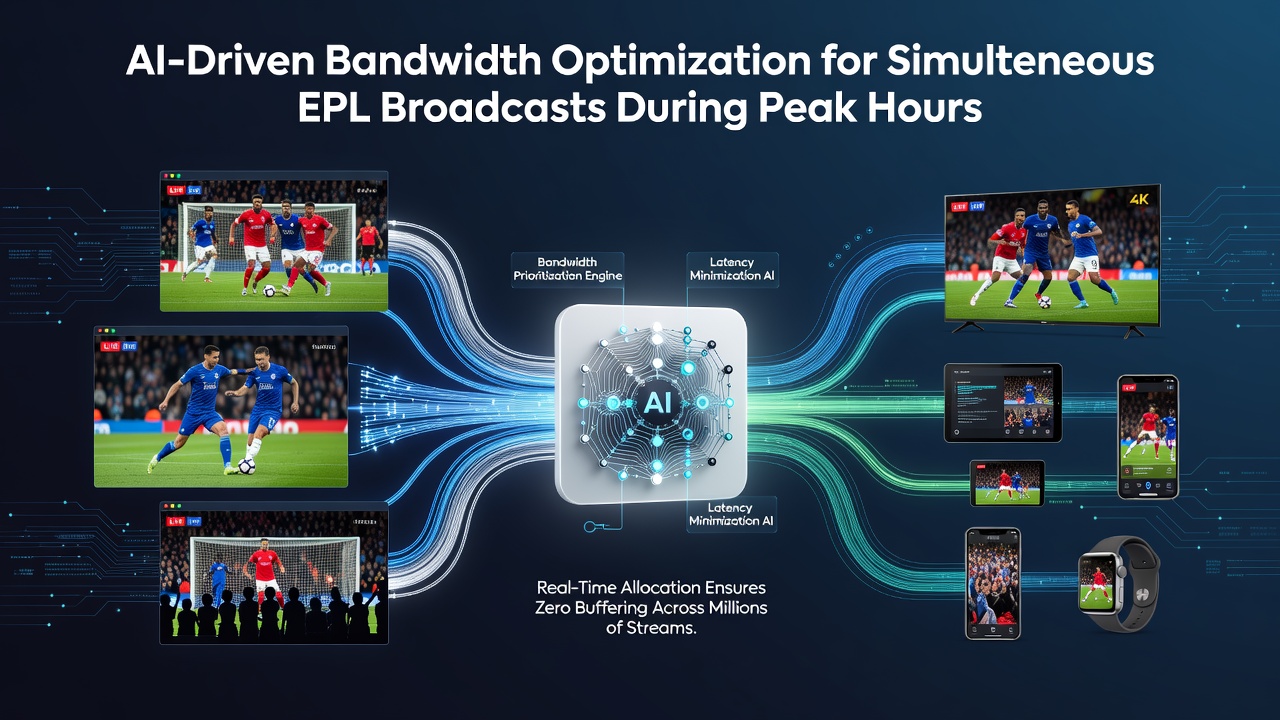
How AI Algorithms Optimize Bandwidth Allocation for Simultaneous Top-Tier English League Fixture Broadcasts in Peak Viewing Windows
Multiple Premier League fixtures scheduled at the same time create intense demand on broadcast networks, especially during Saturday afternoon slots when several matches overlap in peak viewing windows, and broadcasters rely on AI algorithms to distribute bandwidth dynamically across streams without interruptions for viewers.
Understanding Peak Demand Patterns in English League Broadcasts
English top-tier leagues feature up to ten fixtures on certain weekends, with many kicking off within a narrow time frame that forces platforms to handle concurrent high-definition and 4K feeds, while data from regulatory bodies shows that viewer numbers can surge by factors of three or more compared to midweek slots.
Networks must account for regional variations in infrastructure capacity, yet algorithms trained on historical viewing data predict spikes in regions where fan bases concentrate, allowing preemptive rerouting of resources before congestion builds up during the August 2026 season opener.
Machine Learning Models Driving Allocation Decisions
Supervised learning systems analyze traffic from past broadcast windows and incorporate real-time inputs such as viewer location clusters, device types, and compression requirements, then they adjust packet prioritization so that critical video frames receive priority over less time-sensitive data packets.
Reinforcement learning agents test allocation strategies in simulated environments that mirror live conditions, and these models refine their policies continuously because feedback loops from actual streams reveal which adjustments maintain quality across simultaneous feeds.
Integration with 5G and Edge Computing Infrastructure
Edge nodes positioned near population centers execute localized AI decisions that reduce latency compared to centralized servers, while 5G slicing techniques create dedicated virtual channels for sports content that maintain stable throughput even when general internet traffic increases.
According to information published by the Federal Communications Commission, spectrum efficiency gains from AI-managed allocation have supported higher concurrent stream counts in major markets without requiring proportional increases in physical infrastructure.
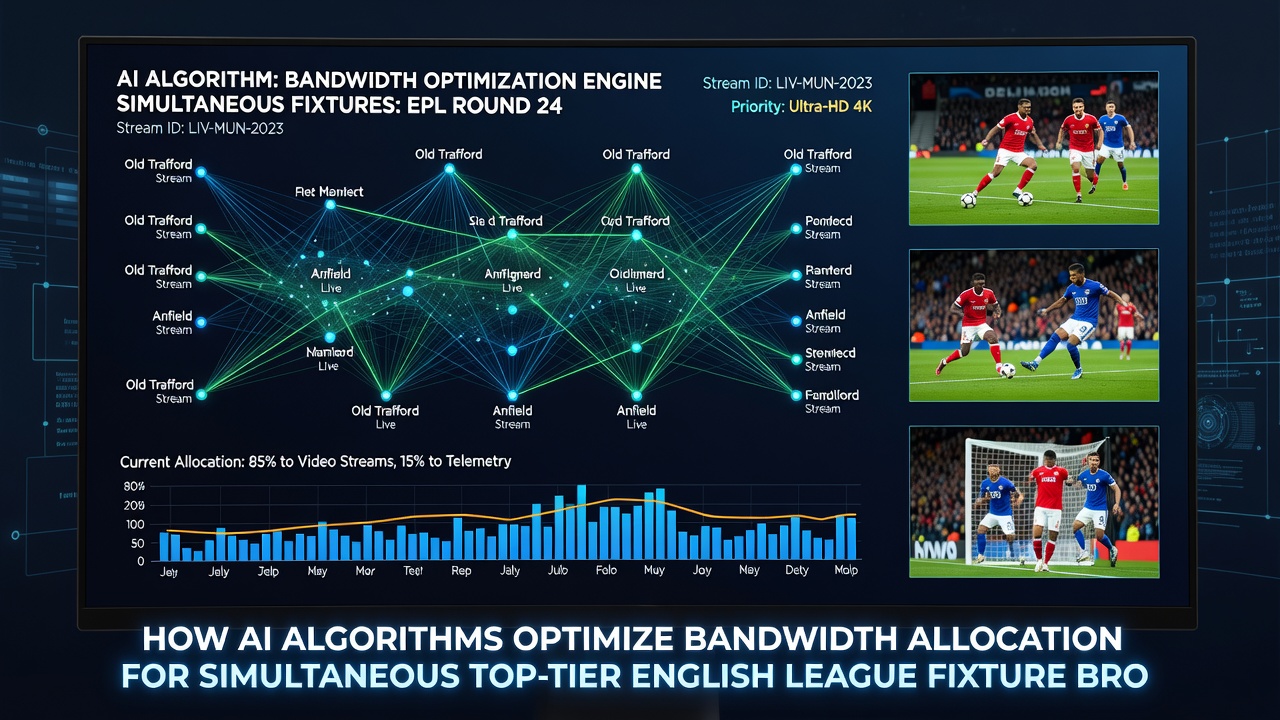
Handling Variable Bitrate and Adaptive Streaming
Adaptive bitrate algorithms work alongside AI predictors that forecast drops in available capacity minutes ahead, allowing seamless quality switches that keep playback uninterrupted across devices ranging from large-screen televisions to mobile phones used by fans watching on the move.
Researchers at institutions such as those referenced in reports from the Australian Communications and Media Authority have documented similar techniques applied to live sports events, where predictive models reduced buffering incidents by significant margins during high-demand periods.
Security and Reliability Measures Within AI Systems
Encryption protocols operate at the packet level while AI monitors for anomalies that might indicate network attacks or equipment failures, and automated failover routes activate within milliseconds to preserve stream continuity when primary paths experience issues.
Multi-layered verification ensures that bandwidth decisions remain consistent with licensing agreements that dictate minimum quality standards for each broadcaster carrying English league content.
Conclusion
AI algorithms continue to evolve in response to growing numbers of simultaneous fixtures and advancing viewer expectations, with ongoing refinements in predictive accuracy and infrastructure integration supporting reliable delivery of top-tier English league broadcasts throughout peak windows such as those anticipated in August 2026 and beyond.