Organized Fan Meetups for Digital Streams of English League Fixtures in Pubs and Community Centers
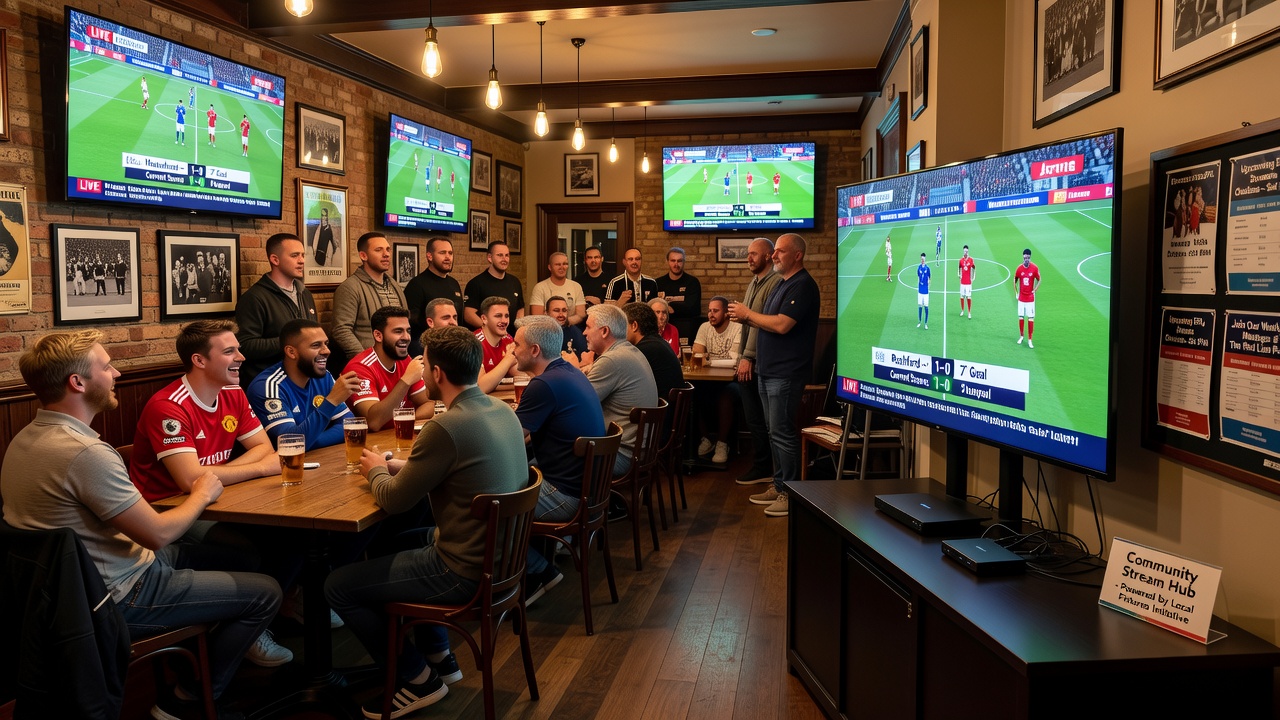
Local pubs across Britain have long served as gathering points for supporters who follow English league fixtures through digital streams, and community centers have joined this pattern in recent years by offering similar spaces for organized events. Data from industry reports shows that these meetups typically align with major Saturday afternoon matches, where venue operators secure licensed streaming services to broadcast the games on multiple screens while groups coordinate attendance through local clubs or online forums.
Pubs as Primary Venues for Stream-Based Gatherings
Pubs in cities like Manchester, Liverpool, and London often host these events by partnering with streaming providers that deliver feeds for Premier League and Championship games, and managers report that they adjust opening hours and seating arrangements to accommodate larger crowds during peak fixture windows. According to figures from the British Beer and Pub Association, participation in such organized viewings increased steadily through 2025, with venues noting higher footfall when multiple matches occur simultaneously on weekends. One establishment in Birmingham, for instance, began scheduling weekly meetups in early 2024 after observing consistent demand from supporters who lacked home subscriptions, and staff there coordinate with local fan groups to confirm stream access in advance.
Venues maintain compliance with licensing rules for public broadcasts, which requires agreements with rights holders, while organizers focus on creating welcoming atmospheres through simple additions like team-colored decorations and pre-match discussions. Observers note that these setups allow fans to share reactions in real time without individual device limitations, and data indicates that pubs in suburban areas see particular growth in attendance when community announcements promote the events via social media or notice boards.
Community Centers Expanding Access to League Streams
Community centers have taken on a parallel role in towns and rural districts where pub options prove limited, and they frequently collaborate with sports associations to run monthly sessions centered on key English league encounters. These facilities use digital streaming equipment funded through local grants or partnerships, which enables screenings that draw families and younger supporters who might not visit pubs regularly. Research from academic institutions, including studies at the University of Manchester, reveals that such programs foster social connections among diverse age groups, with attendance logs showing peaks around October fixtures when autumn schedules intensify.
Event coordinators in places like Newcastle and Bristol often rotate match selections based on team popularity and fixture importance, and they incorporate elements such as halftime refreshments or post-game talks to extend the communal aspect. Figures from regional leisure reports highlight that centers in October 2026 plan expanded schedules around high-profile clashes, incorporating additional streaming capacity to handle simultaneous broadcasts without interruptions.
Organization Patterns and Scheduling Practices
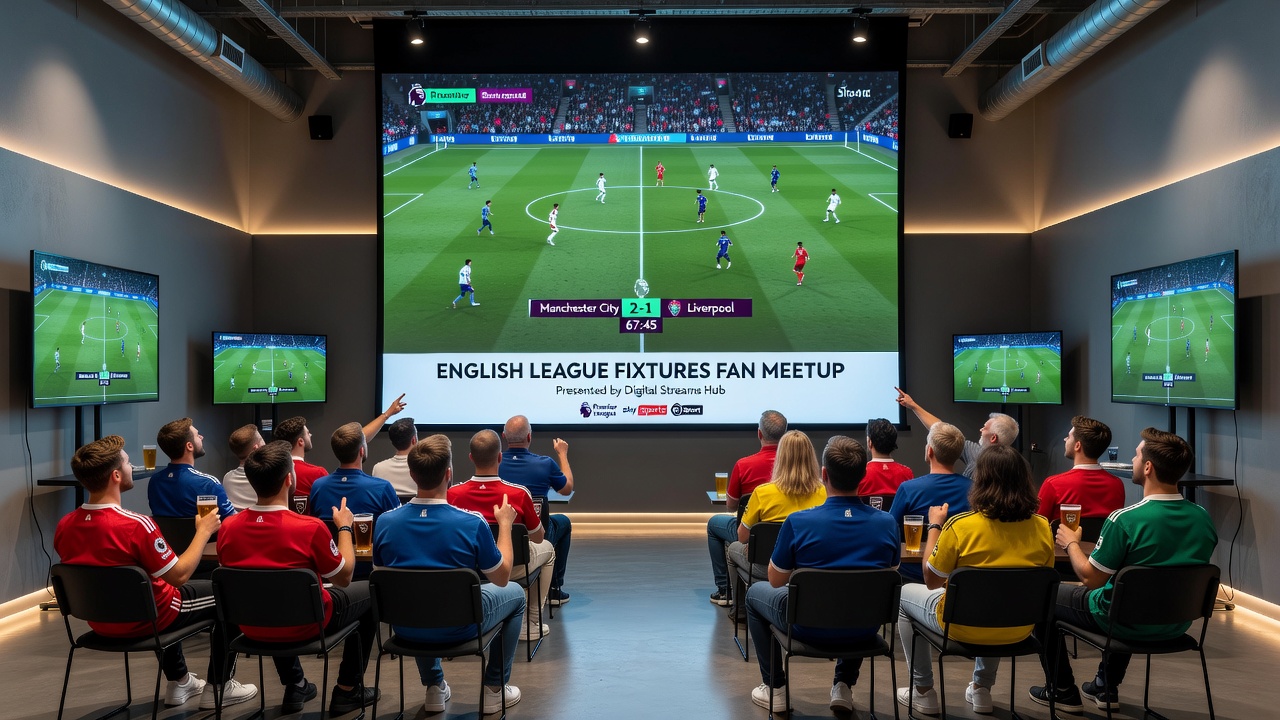
Meetup organizers typically rely on fixture calendars released by the leagues months ahead, and they cross-reference these with venue availability to book spaces and promote events through targeted channels like club newsletters or neighborhood apps. Those who manage these gatherings often include volunteers from supporter trusts who handle technical checks on stream quality, ensuring feeds remain stable during critical moments such as goal replays or extra time. What's notable is how these groups adapt when multiple top-tier matches overlap, dividing crowds across rooms or scheduling staggered start times to maximize participation.
Local authorities sometimes provide guidance on health and safety protocols for larger attendances, and data from leisure industry analyses shows that successful events maintain clear communication about entry requirements and stream sources. One case in Leeds involved a community center team that partnered with a nearby tech supplier to upgrade bandwidth, which allowed consistent delivery of high-definition streams for the 2025-2026 season without technical issues.
Community Effects and Participation Trends
Participation data collected by regional sports bodies indicates that these meetups contribute to broader social engagement, particularly in areas where traditional matchday travel proves costly or impractical. Supporters who attend regularly describe forming networks that extend beyond viewing sessions, including shared transport arrangements and discussions on league developments. Evidence from similar programs tracked in other European countries suggests comparable patterns of increased local cohesion when streaming events occur in accessible public spaces.
Venues track metrics such as repeat attendance and demographic spread, with reports noting balanced representation across age ranges when events feature both Premier League and lower-division fixtures. Organizers adjust formats based on feedback, for example by adding quiet zones for those who prefer focused viewing amid the group energy.
Conclusion
Digital stream meetups in pubs and community centers continue to evolve alongside changes in broadcasting technology and fixture demands, and they represent a structured way for fans to connect around English league matches. Available records show steady adaptation by venue operators and organizers who balance technical requirements with community needs, while participation remains tied to key dates throughout the season including October windows in 2026. These arrangements rely on established licensing frameworks and local coordination efforts that sustain the practice across different regions.